
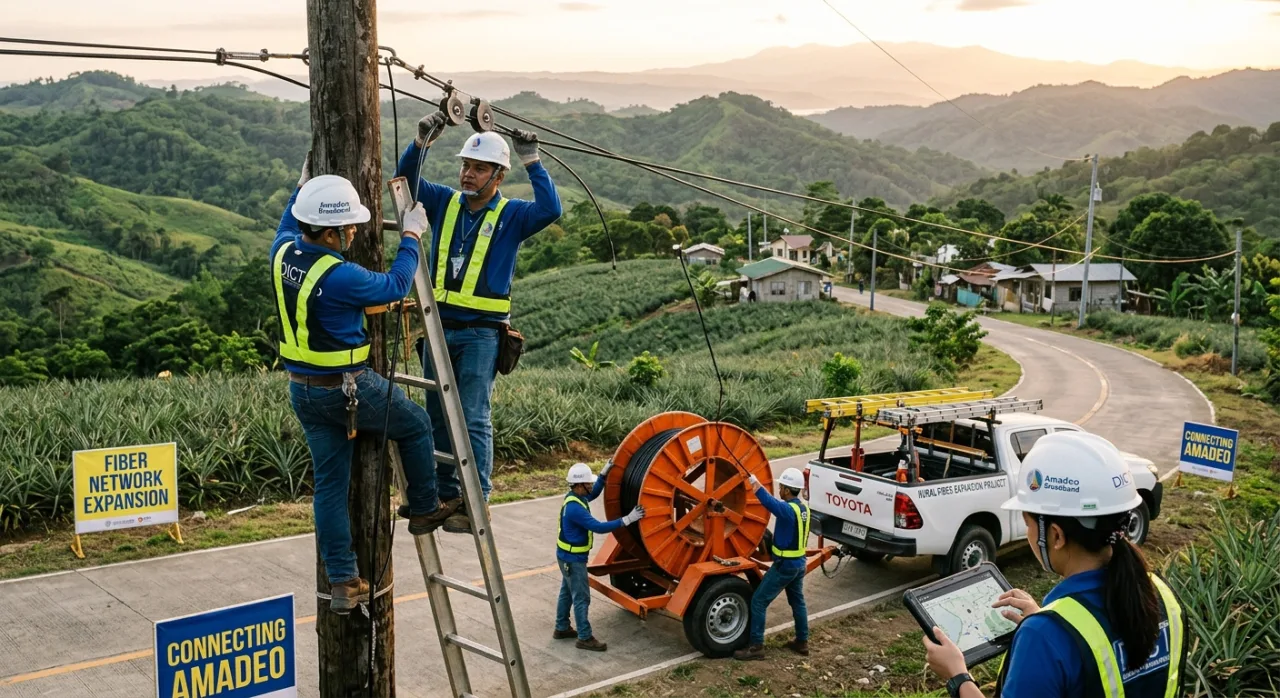
Internet providers and public programs are accelerating fiber-optic network construction across long-underserved regions. By removing the geographic constraints of slow legacy connections, high-speed fiber enables rural residents and regional enterprises to participate fully in the modern digital economy.
Economic and Educational Impacts
The deployment of high-speed fiber removes longstanding barriers to local economic development. Key benefits across rural communities include:
-
Small Business Growth: Local companies can expand their customer reach beyond regional borders, implement cloud-based management tools, and process high-volume digital transactions seamlessly.
-
Expanded Education: Students gain reliable, high-speed access to online education platforms and interactive learning tools without bandwidth throttling.
-
Healthcare & Remote Work: Reliable connectivity facilitates real-time telehealth consultations and opens opportunities for sustainable remote work.
Overcoming Deployment and Logistical Challenges
Expanding infrastructure through challenging geography requires close collaboration among municipalities, utility providers, and telecommunications firms.
| Challenge Area | Operational Impact | Solution Strategy |
| Terrain & Trenching | Difficult landscapes delay standard cable laying. | Coordinated planning and shared infrastructure rights. |
| Permitting & Rights | Securing pole attachments creates administrative drag. | Streamlined inter-agency coordination. |
| Workforce Shortages | Specialized technician scarcity slows buildout. | Partnerships with regional technical colleges for vocational training. |
Voctational training initiatives ensure deployment momentum while creating well-paying, skilled jobs within the communities receiving the upgrades.
Prioritizing Resilience and Long-Term Value
Modern network expansion focuses on long-term structural resilience alongside initial speed metrics. Telecommunications operators now design systems with built-in redundancies to withstand extreme weather events and physical disruptions common to rural areas.
Reporting and tracking from outlets like MIT Technology Review highlight that enterprise buyers, local leaders, and regulatory bodies increasingly evaluate network projects on structural safety, operational transparency, and long-term maintenance costs. Factoring these operational realities into early planning phases minimizes emergency repairs and ensures consistent service delivery over time.